Hardin witnesses his mother being attacked as a child
After We CollidedHardin witnesses his mother being attacked as a child is a childhood trauma that returns in adulthood as a recurring nightmare. Four men break into his family home looking for his father; finding his mother instead, they assault and threaten her while Hardin watches and tries to intervene. The scene makes a child an unwilling witness to violence within his family, and its aftermath persists in his sleep, his conflicts with his father, and the way he handles perceived threats to Tessa.
The Attack and Hardin’s Childhood Perspective
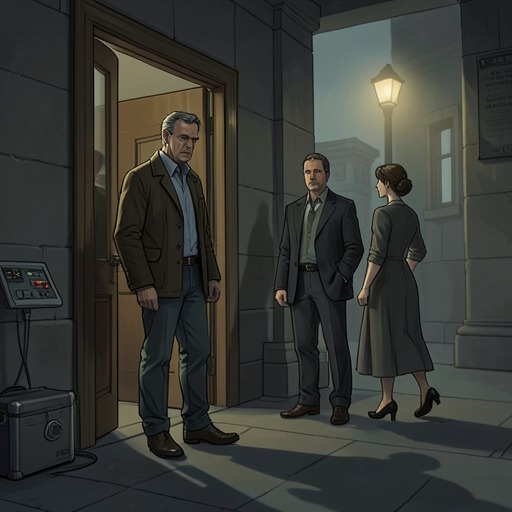
The nightmare begins with men searching the house for Scott, Hardin’s father. One says he saw Scott leave a bar; another calls for him as the house is ransacked. At the foot of the stairs, Hardin sees his mother with four men. She insists her husband is not there and offers what she can—a television, then jewelry—in hopes of making them leave. The men reject the offer. One strikes her, and Hardin runs into the living room when he hears her cry out.
Hardin’s mother orders him upstairs, but the child refuses to abandon her. An intruder shoves him down, then explains that his father caused the injury visible as a large gash across his bald head. With Scott absent, the men say, they want Hardin’s mother instead. The injured man pushes her onto the couch and suggests that Hardin wants to watch. The memory establishes the child’s exposure to a sexualized threat, but the scene does not show what happens after Hardin wakes; it should not be mistaken for an account of an assault beyond what the nightmare depicts.
The scene is filtered through the child’s limited understanding. Hardin calls his mother “mummy,” cannot understand why she is angry with him, and does not grasp the full danger until the men turn their attention to her. His mother’s repeated attempts to send him away are protective, but to the child they can seem like rejection. That gap between her urgent knowledge and his confusion intensifies the helplessness of the memory: he has entered the room to help, yet the attackers push him aside and he cannot stop them.
The Nightmare’s Return
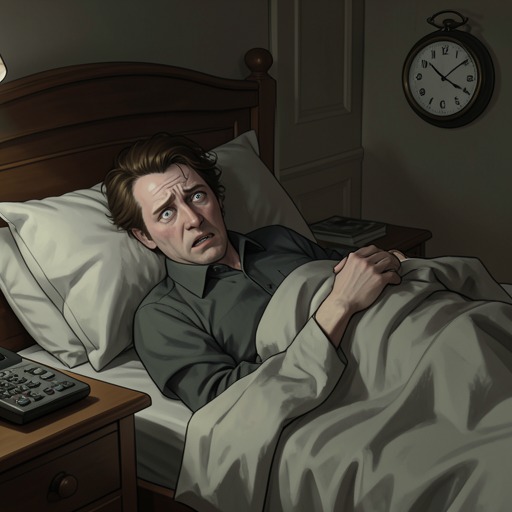
The narrated attack ends with Hardin jolting awake. The abrupt shift from the child’s experience to the adult’s waking body marks the episode as a nightmare rather than a continuous present-day event. He wakes around four in the morning with bloody sheets from his busted knuckles and a severe headache. The violence of the dream has entered his present physically through the injuries he has inflicted while sleeping or struggling with it.
Hardin says the nightmares keep coming, each night worse than the last. He had grown used to their absence and had been able to sleep, so their return signals a renewed disturbance rather than a single bad dream. He closes his eyes and tries to pretend Tessa is there, hoping sleep will come. The passage places comfort and trauma side by side: he reaches for the imagined presence of someone he loves, but neither that wish nor the attempt to sleep removes the memory.
The cause of the renewed nightmares is not fully resolved in the scene. Hardin attributes them to a woman in a resentful aside, but the reference does not establish a precise explanation for the return. The text instead emphasizes recurrence and bodily cost. The childhood scene breaks into adult life repeatedly, while exhaustion, pain, and damaged knuckles make its effects tangible.
Family History and Its Aftermath
The memory’s search for Scott connects the attack to the family’s history of absence and conflict. Years later, Hardin accuses Ken of leaving him and his mother with no money or car. Ken disputes that account, saying he sent money and offered a car that Trish refused. The disagreement does not settle the facts of the family’s finances, but it shows that Hardin understands his father’s departure as abandonment, while Ken describes it as the consequence of being a drunk who believed his family deserved better. Ken says that after a particular night he knew he had to leave; Hardin responds that the night happened because of him and refuses to let Ken speak of it. The nightmare supplies the childhood violence behind this charged, guarded exchange without resolving every part of the family’s competing accounts.
The family history is not fully shared even within the household. When Landon asks Hardin about the situation with his father, Hardin reacts with surprise and asks what he means, prompting Landon to realize that Trish has not told her son. The withheld information reinforces the unevenness of what Hardin knows about his parents’ past. The assault, his father’s absence, and the later disputes around that absence are connected in his life, though the scene does not make them interchangeable or offer a single explanation that settles the family’s history.
Protection, Control, and the Event’s Significance
The childhood scene also provides a sharp contrast for Hardin’s later responses to danger. During a confrontation involving Tessa and her mother, Hardin pulls his arm around Tessa and warns her mother to stay away. Tessa then insists that she is an adult and can decide whether to stay. The moment shows that his protective impulse can place him between Tessa and another person, even as Tessa asserts her own authority over the choice.
A related conflict arises when Hardin objects to Tessa’s contact with Zed. He tells her he does not want her near him and demands no contact, including no messages or visits to the science building, in exchange for not fighting him. Tessa challenges his right to decide whom she can speak to, and the bargain turns protection into a restriction on her choices. Read alongside the childhood memory, these later scenes reveal a meaningful tension, not a simple justification: Hardin was once a child unable to protect his mother from men who overpowered them, but as an adult he may try to prevent danger by controlling Tessa’s movements and relationships. The recurring nightmare gives that tension an origin in witnessed helplessness while leaving responsibility for his later actions with him.
The event therefore works both as a violent childhood memory and as a recurring disturbance in the adult narrative. Its return links Hardin’s sleeplessness and injured hands to a family past marked by his father’s absence, Trish’s silence, and unresolved blame. The scene does not turn the nightmare into a complete explanation of Hardin; instead, it shows how an unassimilated experience can keep resurfacing, shaping the fears and protective gestures through which he approaches the people closest to him.